Spice up your CX

Eleanor Morden3 September 2026
By Appointment to
His Majesty The King
Contact Centre Service Software
Cirrus Connects Ltd
Epsom
AI done wrong is a bit like the Leaning Tower of Pisa.
The design was fine. The ground underneath was the problem. The builders moved faster than the soil could take, and the tower has been tilting ever since. A lot of AI programmes end up in the same mess. The technology is ready. The ambition is there. But the workflows underneath can’t carry the weight. You see it in the queues that never shrink, the repeat contacts that keep coming, and the insights that appear three weeks too late to matter.
Almost every contact centre is testing AI now. Nearly 90 percent of organisations use it somewhere. A recent report by Call Centre Helper shows 26 percent have made it their top priority for 2026. But walk into most contact centres and the story might look a bit different.
Often, new tools arrive faster than anyone can keep up with. One team gets real-time guidance while the team next to them is still digging through three different knowledge banks trying to find an answer from 2019. Call routing experiments happen, but only in small pockets where someone’s brave enough to try. Insight appears, but rarely when it can change what’s happening right now.
Leaders want progress they can shout about. Steadier queues. Fewer repeat calls. Clearer decisions. The good stuff.
The quickest way to get there? Ask the right questions before you even invest in any new technology.
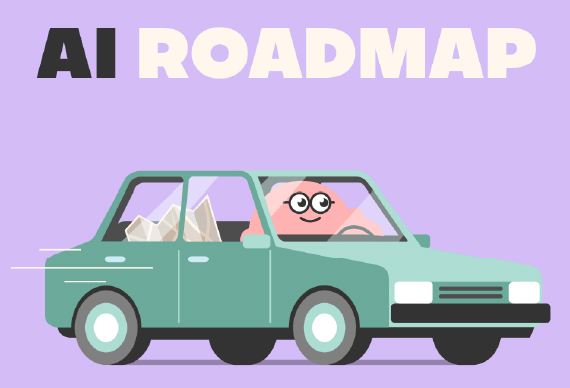
These five questions cut through the nonsense. They show whether your workflows are ready for AI, where the real value sits, and what order the changes should follow if you want results people can benefit from sooner, rather than later.
Most AI conversations start with what’s possible.
The better ones start with what matters.
Every operation has one outcome that benefits everything else. Fewer escalations. Shorter wait times. Faster handling. Cleaner handoffs. Better tone. Higher capacity.
Identify it early and the whole roadmap becomes clearer.
Ask this: Which two metrics matter most in the next two quarters and why those?
Management is always under pressure in specific areas. AI earns its stripes when it relieves the strain in ways people can feel.
Value before anything else.
Every contact centre has moments that quietly kill performance.
One issue that always takes forever. One channel that spikes at the worst possible time. One handoff that goes horribly wrong. One part of the workflow where customer context just vanishes into thin air.
Five tricky calls often reveal more than fifty reports.
Look for: Moments where agents lose time. Questions customers repeat constantly. Issues that bounce between teams like a hot potato. Intents that spike with seasonality or whenever marketing decides to run a campaign nobody told you about.
This shows you how much work the change will touch, and where the time and effort actually sit today.
AI works best when knowledge is clear, current and findable.
Most contact centres aren’t there yet.
The more sources of truth you have (CRM, policy docs, knowledge base, someone’s inbox, that one person who’s been here since 2012) the slower everything becomes. Guidance tools struggle. Summaries fix the symptoms but miss the cause. Teams lean on memory instead of information.
A solid knowledge bank depends on: Who keeps it current? How often does it get checked? Is it consistent across channels? What happens with exceptions? Do the policy rules make sense or will they trip up the technology?
This is where leaders often discover the real readiness gap.
Insight only matters when it turns into action.
Many operations generate good insight but lack a clear path for decisions. Bottlenecks come from unclear ownership or changes that need five approvals and a committee meeting nobody can schedule.
When decisions move with less hurdles, everything changes: Scripts update before small issues turn into themes. Coaching becomes targeted instead of reactive. Routing experiments go live with confidence. Automation scales safely instead of cautiously. Workforce optimisation becomes possible when decisions flow.
This is where sequencing becomes most valuable. Risk stays under control. Results arrive faster.
AI programmes succeed when people feel supported, not ambushed.
Readiness shows up long before adoption data does.
You usually notice it in the atmosphere: The day settles into a calm, predictable flow. Agents trust the information more than their memory. Workflows stop changing without warning. Repeated issues go. Coaching gains rhythm and improvements stick.
This is the people’s side of readiness. It decides whether AI becomes part of the operation or another pilot fails, just like the other 95% that don’t make an impact.
Together, these questions give leaders a grounded view of: What matters most. Where the work sits. How prepared the organisation is. What order the changes should follow. How quickly value will appear.
Once these pieces are visible, your roadmap writes itself.
When you get these basics right, the day changes almost immediately.
You start noticing: Fewer escalations. Cleaner calls. Faster fixes. Agents settling in quicker. Customers repeating themselves less. Leaders making decisions with confidence.
AI begins to improve the work rather than disrupting it.
Cirrus can run a one-hour readiness session that maps your operation across the moments that matter, the skills that shape service, and the conditions that decide whether AI will work or fail. You walk away with a clear view of where the work is right, where it’s not, and a clear set of steps you can act on immediately. No perfect data needed. No heavy preparation required. Just a practical plan based on how your day works. Get in touch to book your session.
 Conducting Better CX: How AI Orchestration Keeps Every System in Sync


© Copyright Cirrus 2026